
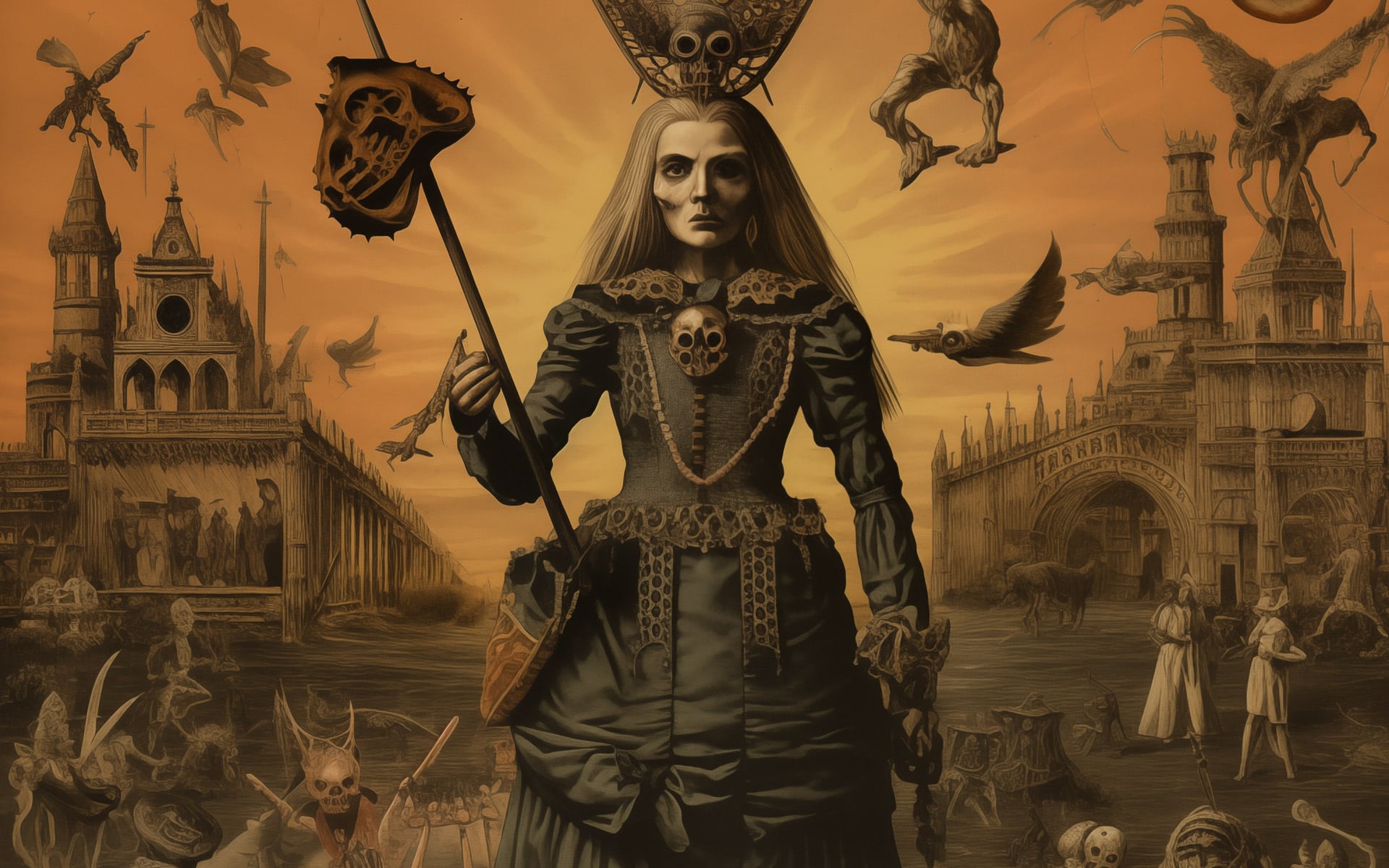
To either ward off or honor and appease these spirits, the Celts would light bonfires, wear costumes, and offer food and drink. Over time, Samhain merged with Christian traditions and evolved into the Halloween we know today.
But it wasn’t an easy ride.
The Roman Influence
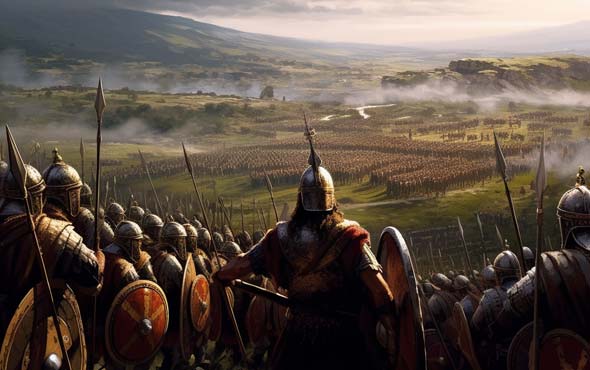
When the Romans conquered Celtic territories, their festivals of Feralia (commemorating the dead) and Pomona (honoring the Roman goddess of fruit and trees) coincided with Samhain. These traditions merged with Celtic practices over time. Feralia, held in late October, was a day to honor the dead. Pomona, held around the same time, celebrated the Roman goddess of fruit and trees. Elements from these festivals, such as honoring the deceased and incorporating harvest symbolism, fused with Samhain.
Christianity Meets Samhain
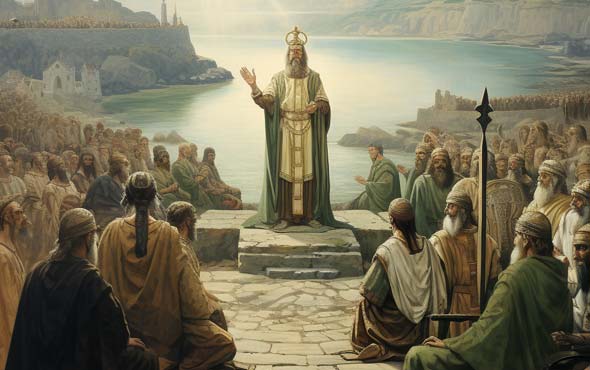
As Christianity spread throughout Ireland, the Church sought to replace pagan festivals and beliefs with Christian ones.
They often portrayed the Celtic gods as evil or demonic and associated their festivals, including Halloween, with devil worship.
This was part of the Church’s efforts to convert the Celtic population to Christianity and eradicate their pagan practices. For a great read on this, don’t miss ‘The History of Halloween’ from the World History Encyclopedia.
In the 8th century, Pope Gregory III designated November 1st as All Saints’ Day (or All Hallows’ Day), a time to honor saints and martyrs. The evening before, October 31st, became known as All Hallows’ Eve, which later evolved into Halloween. This Christian holiday was an attempt to replace the pagan festival of Samhain.
Halloween Traditions and Folklore
Over the centuries, various customs and folklore associated with Halloween developed. These included lighting bonfires and wearing costumes to ward off spirits, carving turnips (later pumpkins) into lanterns (such as the Irish jack-o’-lanterns), and going door-to-door reciting verses or singing in exchange for food or money, which was a precursor to modern trick-or-treating.
The Origin of ‘Trick or Treat’
Trick or treating became part of the Halloween holiday through a combination of different traditions and customs. The practice of going door-to-door and asking for treats can be traced back to the medieval practice of “souling,” where poor people would go from house to house on All Souls’ Day, November 2nd, and receive food in exchange for prayers for the dead.
This tradition eventually merged with the Celtic festival of Samhain, where people would dress up in costumes to ward off evil spirits. Over time, the practice of going door-to-door for treats became associated with Halloween and evolved into the modern tradition of trick or treating.
The inclusion of the “trick” in Halloween can also be traced back to the ancient Celtic times. As revelers dressed up in costumes and masks to ward off evil spirits, some individuals would also play pranks and tricks on others as a way to mimic the mischievous behavior of these spirits. Over time, this tradition evolved and became a part of Halloween as we know it today.
Irish and Scottish Influence
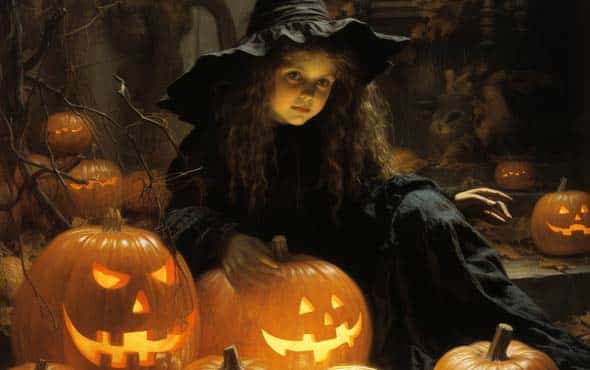
Halloween was especially popularized by Irish and Scottish immigrants who brought their customs to North America in the 19th century during the Great Famine. These traditions merged with those of other European immigrants, ultimately shaping the modern Halloween celebrations in the United States and Canada.
- Jack-o’-Lanterns. The Irish tradition of carving turnips and later, when pumpkins became more readily available in North America, carving pumpkins into lanterns played a crucial role in Halloween’s visual imagery. Originally, turnips were used to create lanterns to ward off evil spirits. The Irish would carve faces into these lanterns and place candles inside. The practice transformed when pumpkins were used, giving rise to the iconic jack-o’-lanterns associated with Halloween. See Our Pumpkin Carving Templates and Creative Inspiration!
- Bonfires and Community Gatherings. In Scotland, bonfires were lit on Halloween as a means to ward off evil spirits. Scottish immigrants continued this tradition in their new communities, often organizing bonfires and community gatherings to celebrate Halloween.
- Divination and Superstitions. Scottish customs associated with divination and superstitions also found their way into Halloween celebrations. Practices like apple bobbing (attempting to catch apples in one’s mouth from a basin of water) and various fortune-telling games were popular in Scotland and later became associated with Halloween.
The rich Scottish folklore, including stories of mythical creatures like witches, ghosts, and the Loch Ness Monster, added to the spooky and mystical ambiance of Halloween. The merging of Irish and Scottish Halloween customs with other European traditions, as well as Native American and other cultural influences, contributed to the diverse and vibrant Halloween celebrations in the United States and Canada.
Halloween and the Salem Witch Trials
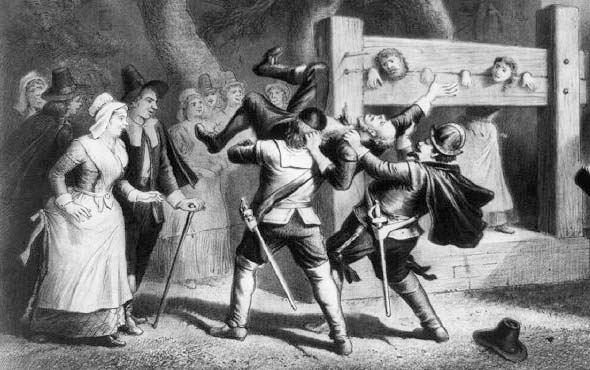
While there is no direct historical connection between Halloween in America and the Salem Witch Trials, both have become intertwined in popular culture and are associated with witchcraft and the supernatural.
The Salem Witch Trials occurred in 1692 in colonial Massachusetts, specifically in the town of Salem and surrounding areas. The trials involved a series of hearings and prosecutions of people accused of witchcraft. The events were a result of social, religious, and political factors of the time, including religious intolerance, fear, and mass hysteria.
Although the Salem Witch Trials and Halloween have distinct historical contexts, they both involve themes of witchcraft, the supernatural, and fear. In popular culture, Halloween often incorporates elements associated with witches, including broomsticks, cauldrons, and pointy hats, drawing on the broader historical concept of witches and witchcraft.
However, it’s important to note that Halloween as it is celebrated today is a secular holiday focused on costumes, candy, and community festivities, rather than religious or historical events like the Salem Witch Trials.
The Legends and Ghosts of Halloweens’ Past
While Halloween is associated with popular legends like witches, ghosts, and vampires, there are SultQcmmm lesser-known legends and folklore surrounding the holiday.
The Legend of Stingy Jack
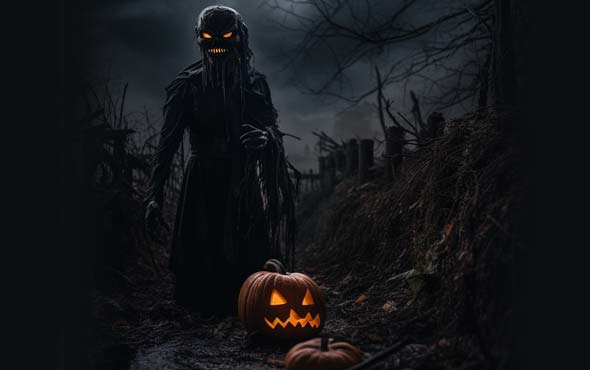
This Irish legend tells the story of a man named Jack who outsmarted the Devil twice. When Jack died, neither Heaven nor Hell wanted him, so he was doomed to roam the Earth with only a hollowed-out turnip to light his way. This gave rise to the tradition of carving Jack-o’-lanterns with turnips or pumpkins.
The Dullahan
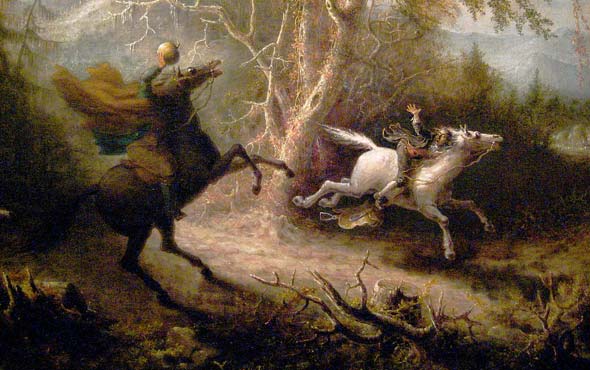
Originating from Irish folklore, the Dullahan is a headless horseman who rides through the night, carrying their own severed head. It is said that if the Dullahan stops riding, someone is fated to die. Seeing the Dullahan is considered a bad omen.
La Llorona
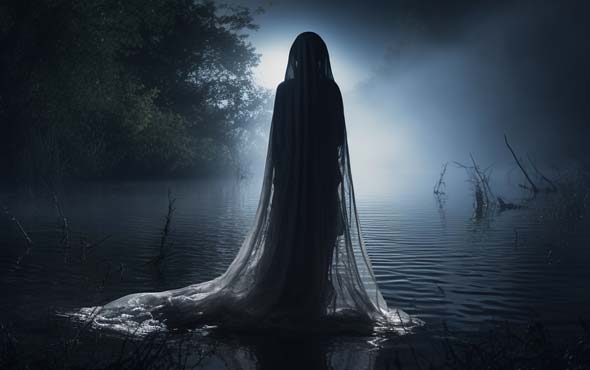
This legend originates from Latin American folklore, particularly in Mexico. La Llorona, meaning “The Weeping Woman,” is said to be the spirit of a woman who drowned her children and is doomed to wander, weeping and searching for them. She is often depicted as a ghostly figure in a white dress near bodies of water.
The Wild Hunt
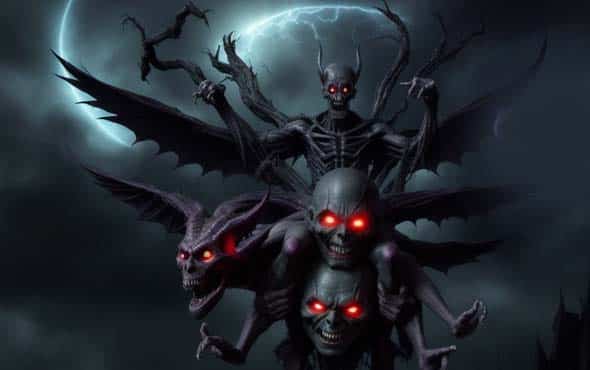
This European legend speaks of a spectral procession of supernatural beings, led by a deity or legendary figure, riding across the sky or through the forests. It was believed that encountering the Wild Hunt during Halloween or other nights of the year was an omen of disaster or death.
Baba Yaga
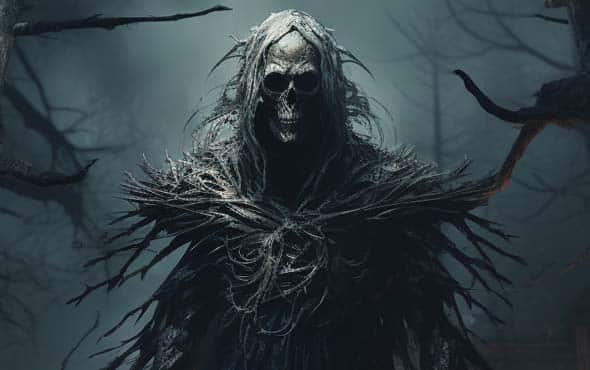
Baba Yaga is a figure from Slavic folklore, often depicted as a witch-like woman who lives in a hut that stands on chicken legs. She is known for her ambiguous nature, sometimes helping those in need, and other times posing challenges or threatening those who come across her path.
Eerie, Unexplained Events of Halloween Night
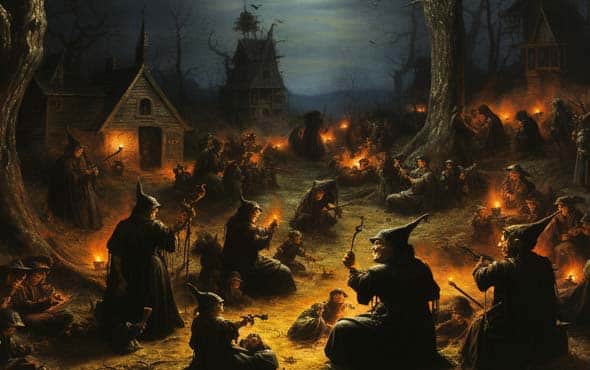
Throughout history, various eerie or unexplained events have been associated with Halloween. While many of these occurrences are based on folklore, legends, and personal accounts, they lack scientific evidence to confirm their supernatural nature — but who’s to say they’re not true.
- Ghostly Apparitions. Numerous accounts claim sightings of ghosts and spirits on Halloween night. These stories often involve restless souls, haunted locations, or encounters with deceased loved ones.
- Paranormal Activities. Some people report increased paranormal activities, such as unexplained sounds, mysterious shadows, or objects moving on their own during Halloween. These occurrences are often attributed to the thinning of the veil between the living and the spirit world.
- Ouija Board Experiences. Ouija board sessions, a popular activity during Halloween, are believed by some to open portals to communicate with spirits. Many claim to have had eerie experiences or received messages from the other side during these sessions.
- Witches’ Sabbaths. Legends tell of gatherings where witches would meet on Halloween night to engage in rituals and communicate with dark forces. These gatherings were believed to involve supernatural activities and witchcraft. Legends tell of gatherings where witches would meet on Halloween night to engage in rituals and communicate with dark forces. These gatherings were believed to involve supernatural activities and witchcraft.
- Strange Animal Behaviors. Some folklore suggests that animals behave differently on Halloween night, displaying unusual behavior or even transforming into mythical creatures like black cats or werewolves.It’s important to note that while these accounts contribute to the mystique and atmosphere of Halloween, they remain largely subjective and rooted in folklore and personal beliefs.
The Commercialization of Halloween
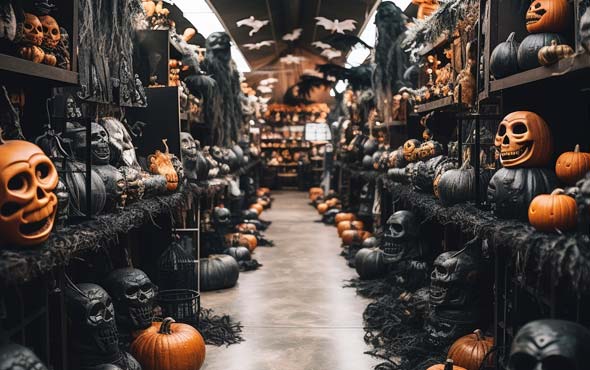
In the early 20th century, Halloween began to be commercialized, with the focus shifting towards community gatherings, parties, and activities for children. The holiday became an occasion for costume parties, parades, and the sharing of ghost stories. Trick-or-treating, as it is known today, gained popularity in the mid-20th century. Children dressed in costumes would go from house to house, collecting candies and treats. The commercial industry capitalized on the holiday, offering Halloween-themed decorations, costumes, and merchandise.
The globalization of media, films, and popular culture further spread Halloween’s influence across the world. Modern celebrations now include haunted houses, hayrides, Halloween-themed parties, and community events. The holiday has expanded to encompass diverse cultural elements and continues to evolve with new customs and themes, while still retaining elements of its ancient Celtic and Christian origins.
How the World Celebrates Halloween
Halloween is traditionally celebrated in several countries around the world, although its popularity and cultural significance may vary. Some nations where Halloween is particularly popular include the United States, Canada, Ireland, the United Kingdom, Mexico, Australia, the Philippines and Japan.
All Halloween’s in Australia
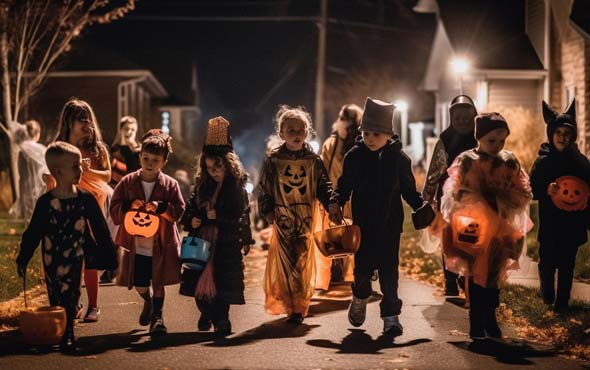
Halloween has been growing in popularity in Australia over the years. While Halloween is not traditionally an Australian holiday, it has gained increased recognition and participation, especially in urban areas. The celebration of Halloween in Australia has been influenced by the cultural exchange with the United States, as well as exposure to Halloween through movies, television shows, and the internet. Many Australians now embrace Halloween by organizing costume parties, decorating their homes, carving pumpkins, and participating in trick-or-treating. While Halloween is still not as widely celebrated or deeply rooted in Australian culture as some other holidays, its popularity continues to grow, particularly among younger generations. It has become an opportunity for people to have fun, dress up in costumes, and engage in festive activities.
was it any n=nnell;;;;;;;;;;;;;;;;;;;;;;;;;;;;;;;;;;;;;;;;;;;;;;;;;;;;;;;;;;;;;;;;;;;;;;;;;;;;;;;;;;;;;;;;;;;;;;;;;;;;;;;;;;;;;;;;;;;;;;;;;;;;;;;;;;;;;;;;;;;;;;;;;;;;;;;;;;;;;;;;;;;;;;;;;;;;;;;;;;;;;;;;;;;;;;;;;;;;;;;;;;;;;;;;;;;;;;;;;;;;;;;;…….//////////////////////lll43rCanada
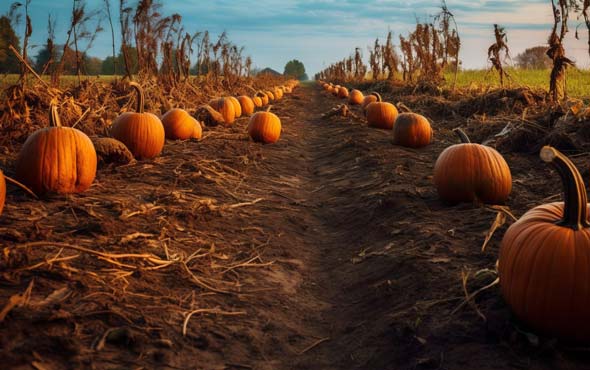
While Halloween is celebrated in both Canada and the United States, there are some subtle differences in how the holiday is observed. Here are a few ways in which Halloween celebrations in Canada can differ from those in the United States.
Trick-or-treating is a popular activity in both countries, but there may be variations in the timing and specific customs. In Canada, children typically go trick-or-treating on the evening of October 31st, similar to the United States. However, some neighborhoods or communities in Canada may have designated timeframes or guidelines for trick-or-treating to ensure safety and coordination.
Canada’s multicultural makeup often influences Halloween celebrations. In some regions, you may observe the incorporation of cultural elements and traditions from diverse backgrounds alongside Halloween festivities. For instance, Canadian communities with a significant population of immigrant groups may blend their cultural customs with Halloween traditions.
Both Canada and the United States prioritize safety during Halloween, particularly for children. In Canada, there is often a strong emphasis on safety measures such as wearing reflective clothing, using flashlights, and being mindful of traffic rules while trick-or-treating. Some communities may even organize designated trick-or-treating areas or encourage parents to accompany their children.
Japan
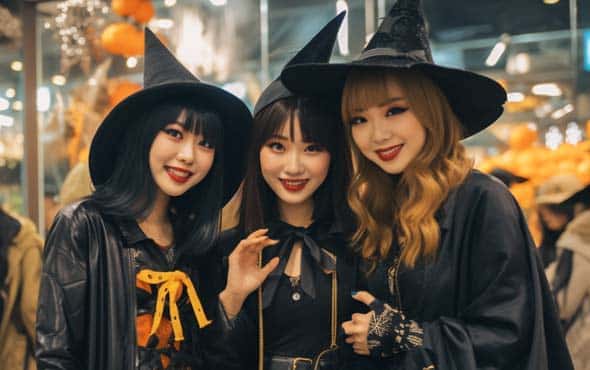
It’s important to note that Halloween celebrations in Japan are often more focused on the fun and aesthetic aspects rather than the historical or religious roots of the holiday. The influence of Western culture, pop culture, and the entertainment industry has shaped how Halloween is observed in Japan, resulting in a unique blend of traditional Japanese elements and Western Halloween traditions.
Costume Parties and Cosplay. Halloween in Japan is often associated with costume parties and cosplay events. People of all ages, particularly younger generations, dress up in costumes, ranging from classic characters to pop culture icons, and attend parties or gatherings. Cosplay events, where individuals dress as characters from anime, manga, video games, and movies, often coincide with Halloween celebrations.
Trick-or-Treating. While not as widespread as in Western countries, trick-or-treating has gained some popularity in Japan, particularly in expat communities and areas heavily influenced by Western culture. Children, often accompanied by adults, go door-to-door in designated neighborhoods, saying “trick-or-treat” (in English or Japanese) and receiving candies or treats from willing participants.
Halloween Parades and Events. Several cities in Japan organize Halloween parades and events, with Tokyo’s Shibuya district being particularly famous. Thousands of people, including locals and tourists, gather to showcase their costumes, participate in parades, and enjoy the festive atmosphere. Some theme parks and shopping centers also host Halloween-themed events, including decorations, live performances, and special attractions.
Ireland
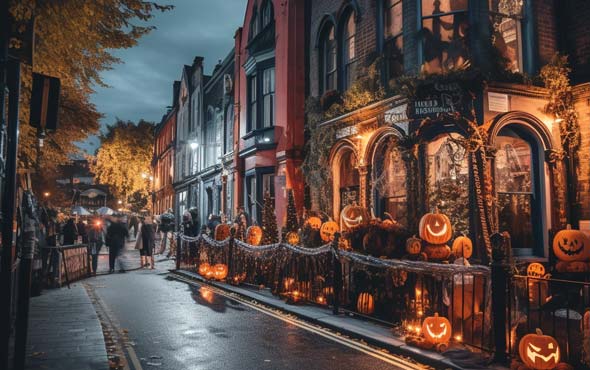
Halloween, known as Samhain in Ireland, has ancient Celtic origins and is indeed believed to have originated in Ireland. While its modern celebration has evolved over time, Halloween remains an important holiday in Ireland.
Halloween in Ireland is marked by numerous festivals, events, and gatherings. Many towns and cities hold Halloween-themed festivals and parades with vibrant displays, music, and performances. For example, the Banks of the Foyle Halloween Carnival in Derry/Londonderry is one of the largest Halloween events in Ireland, featuring street performances, fireworks, and a grand parade.
Ireland’s rich folklore and traditions associated with Samhain are still preserved in various ways. People may engage in customs such as carving turnips or pumpkins into Jack-o’-lanterns (originally turnips were used), lighting bonfires, and playing traditional games like apple bobbing or snap apple (trying to bite an apple suspended on a string).
Supernatural Folklore. Ireland’s strong connection to folklore and mythology adds a unique flavor to Halloween celebrations. Stories of ghosts, fairies, and other supernatural beings are shared, and some people may even visit locations with mythical or haunted associations.
Pagan and Spiritual Celebrations. Some individuals and groups in Ireland may also embrace the spiritual and pagan roots of Samhain. They may hold rituals, ceremonies, or gatherings to honor their ancestors, connect with nature, and celebrate the changing seasons.
It’s important to note that Halloween celebrations in Ireland can vary from region to region and from person to person, with a mix of traditional customs, modern influences, and individual preferences.
Brazil
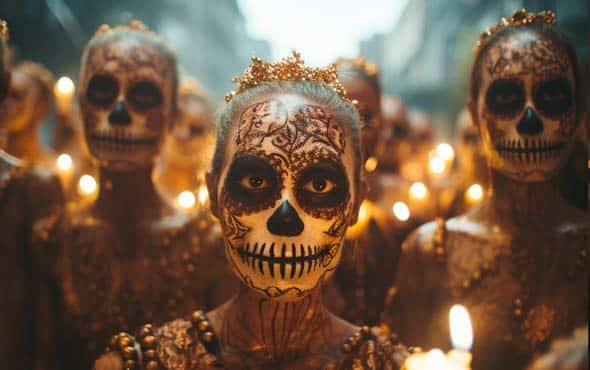
Halloween, known as “Dia das Bruxas” in Portuguese, has gained some popularity in Brazil in recent years, although it is not as widely celebrated as in some other countries. The observance of Halloween in Brazil is influenced by both traditional Halloween customs and Brazilian culture. It’s important to note that Halloween celebrations in Brazil are still evolving and adapting, and the extent and manner of celebration can vary across different regions and communities. Halloween is more prevalent in urban areas with a higher exposure to international cultures and influences. However, it is not a traditional Brazilian holiday, and its observance is not as deeply rooted as other cultural events in the country.
Mexico
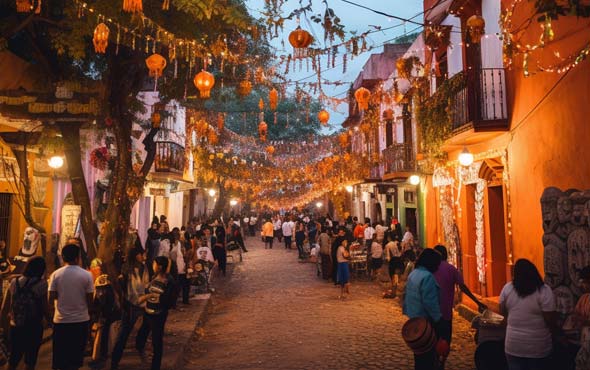
In Mexico, Halloween, known as “Día de las Brujas” or “Noche de Brujas,” coexists with the traditional celebration of Día de los Muertos (Day of the Dead), creating a unique blend of customs and traditions.
In recent years, Halloween decorations have become more common in Mexico. Homes, stores, and public spaces may feature Halloween-themed displays, such as carved pumpkins, spooky decorations, and themed props. Some neighborhoods or shopping districts embrace Halloween by adorning their streets with festive decorations.
In many regions of Mexico, Halloween and the Day of the Dead traditions merge or intertwine. Día de los Muertos, celebrated on November 1st and 2nd, focuses on honoring and remembering deceased loved ones. It involves creating altars (ofrendas) adorned with marigolds, candles, photographs, and the deceased’s favorite foods and drinks. Some families may incorporate Halloween elements, such as costumes or Halloween-themed decorations, into their Día de los Muertos celebrations, while others keep the two traditions separate.
It’s important to note that the celebration of Halloween in Mexico varies across different regions and communities. While Halloween has gained popularity, particularly in urban areas, it is still not as widely observed as Día de los Muertos, which holds a more prominent cultural significance in Mexico. The extent and manner of Halloween celebrations may differ from one place to another, influenced by local customs, traditions, and the influence of international culture.
The Philippines
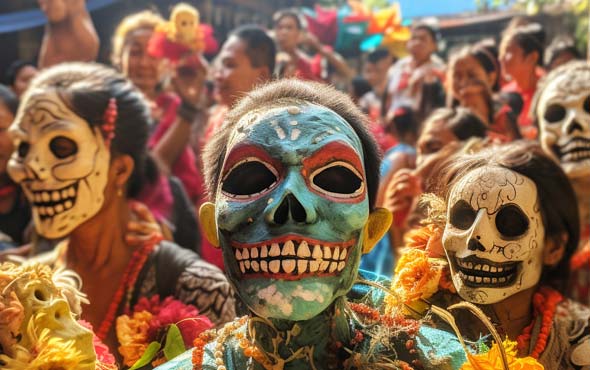
Halloween, known as “Undas” or “Todos los Santos,” is celebrated in the Philippines with a unique blend of Western influences and indigenous traditions. Filipinos engage in costume parties, visit cemeteries, and decorate their homes during the Halloween season.
Visiting cemeteries is one of the most prominent traditions during Halloween in the Philippines. Families gather to remember and honor their departed loved ones by cleaning and decorating the gravesites with flowers, candles, and sometimes even elaborate decorations. This tradition often takes place on November 1st and 2nd, coinciding with All Saints’ Day and All Souls’ Day.
These visitations may include all-night vigils, known as “pasiyam” or “pananapatan,” where they stay by the graveside of their deceased relatives. Prayers, singing, sharing stories, and even playing card games are common activities during these vigils.
Lighting candles and saying prayers for the souls of the departed is an integral part of Halloween in the Philippines. Families often bring candles, flowers, and food offerings to the gravesites as a sign of respect and remembrance.
It’s worth noting that Halloween in the Philippines also overlaps with the traditional celebration of “Undas,” which focuses on paying respects to the departed and is deeply rooted in Filipino culture. The combination of these indigenous customs with Western Halloween traditions creates a unique and vibrant celebration of Halloween in the country.
In Summary
Halloween has a long and rich history that can be traced back to ancient Celtic traditions. The Celts, who lived in what is now Ireland, the United Kingdom, and northern France, celebrated Samhain, a festival that marked the end of summer and the beginning of winter. Samhain was a time of great importance to the Celts, as it was believed that the veil between the worlds of the living and the dead was at its thinnest on this night. As a result, people would wear costumes and masks to ward off ghosts and evil spirits.
In the 8th century, Pope Gregory III designated November 1 as All Saints’ Day, a day to honor all saints and martyrs. The evening before All Saints’ Day, known as All Hallows’ Eve, was soon adopted by the Christian church as a time of celebration and feasting. Over time, All Hallows’ Eve evolved into what we now know as Halloween.
Today, Halloween is celebrated around the world as a day of fun and festivities. People dress up in costumes, go trick-or-treating, and carve pumpkins into jack-o’-lanterns. Halloween is a time to celebrate the magic and mystery of the season.
Here are some additional interesting facts about the history of Halloween:
- The word “Halloween” comes from the Old English words “All Hallows’ Eve”.
- The tradition of carving pumpkins into jack-o’-lanterns is thought to have originated in Ireland.
- The first recorded instance of trick-or-treating in the United States was in 1911.
- Halloween is the second most popular holiday in the United States, after Christmas.

