
“Thriller” by Michael Jackson

“Thriller” is a legendary song released by Michael Jackson in 1982, accompanied by an iconic music video. Here’s the backstory. The song was written by Rod Temperton, a British songwriter, and produced by Quincy Jones. It was recorded for Jackson’s sixth studio album, also titled “Thriller.” The track combined elements of pop, funk, and disco, showcasing Jackson’s musical versatility.
The inspiration for the song came from Temperton’s love of horror films and his desire to create a song with a theatrical, spooky feel. He initially titled the song “Starlight,” but Jones suggested changing it to “Thriller” to better capture the essence of the lyrics.
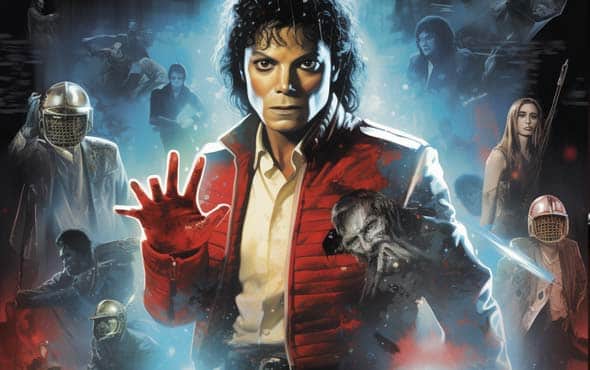
The music video for “Thriller” became a cultural phenomenon. Directed by John Landis, the video featured a storyline inspired by classic horror films, with Jackson transforming into a werewolf and leading a group of dancing zombies. The video was a 14-minute cinematic experience, complete with intricate choreography, elaborate costumes, and groundbreaking visual effects.
“Thriller” and its music video had a profound impact on popular culture. It became one of the best-selling singles of all time and played a significant role in establishing Jackson as the “King of Pop.” The iconic dance moves from the video, including the “Thriller” dance, became widely imitated and are still recognized and performed to this day.
The success of the song extended beyond the music industry, as it broke barriers by being one of the first music videos to receive extensive airplay on MTV, which helped to popularize the medium. Its release and subsequent impact on popular culture marked a milestone in music and entertainment history.
Overall, “Thriller” remains an enduring masterpiece that continues to captivate audiences with its infectious rhythm, memorable lyrics, and timeless Halloween-themed appeal.
“Monster Mash” by Bobby “Boris” Pickett

“Monster Mash” is a Halloween novelty song written by Bobby “Boris” Pickett and Leonard Capizzi. In 1962, Bobby Pickett, a struggling actor and singer, teamed up with Capizzi to create a song that combined two popular cultural elements of the time: dance crazes and horror movies. Drawing inspiration from Boris Karloff‘s iconic portrayal of Frankenstein’s monster, Pickett developed a distinctive Boris Karloff-esque vocal delivery for the song.
The recording was initially rejected by several record labels due to its unconventional style and theme. However, after being picked up by Gary S. Paxton, the song was released in August 1962 under the name “Bobby “Boris” Pickett and The Crypt-Kickers.” The record label, Garpax Records, capitalized on the Halloween season to promote the song.
The song quickly gained popularity, reaching number one on the Billboard Hot 100 chart in October 1962. It became a Halloween anthem and a timeless classic, renowned for its catchy melody and humorous lyrics. The song’s lyrics describe a dance party attended by classic monsters such as Frankenstein, Dracula, and the Wolfman, where they perform the “Monster Mash” dance.
Pickett’s distinctive vocal style, the memorable chorus, and the catchy dance-oriented beat contributed to the song’s enduring appeal. “Monster Mash” has since been covered by various artists and has become a staple of Halloween playlists and celebrations.
The success of the record launched Bobby “Boris” Pickett’s career as a Halloween-themed performer, and he continued to release songs and perform in a similar vein. Pickett’s creation became an integral part of Halloween pop culture and remains an iconic song associated with the holiday, epitomizing the playful and fun spirit of Halloween celebrations.
“Ghostbusters” by Ray Parker Jr.

“Ghostbusters” is a song written and performed by Ray Parker Jr. for the 1984 film of the same name. When approached to write the theme song for the film “Ghostbusters,” Ray Parker Jr. was given a basic concept of a catchy tune with the title “Ghostbusters.” Parker was tasked with creating a song that captured the film’s blend of comedy and supernatural elements.
Parker drew inspiration from the film’s script and came up with the now-famous chorus line: “Who you gonna call? Ghostbusters!” The song’s lyrics convey a sense of urgency and playfulness, centered around the idea of calling on the Ghostbusters team when facing paranormal encounters.
To create the song’s distinctive sound, Parker employed a combination of funk, pop, and R&B elements, using synthesizers, a catchy guitar riff, and a memorable horn section. The song’s upbeat tempo and infectious melody helped solidify its status as a hit.
Upon its release in 1984, “Ghostbusters” became an instant success, reaching number one on the Billboard Hot 100 chart. The song’s popularity was further propelled by the success of the film, which became a cultural phenomenon.
The “Ghostbusters” theme song received critical acclaim and earned Ray Parker Jr. a nomination for an Academy Award for Best Original Song. The track remains one of the most recognizable movie theme songs of all time and continues to be associated with the franchise.
The success of “Ghostbusters” contributed to Ray Parker Jr.’s career, establishing him as a prominent figure in the music industry. The song’s popularity has endured over the years, and its inclusion in various films, TV shows, and commercials has further cemented its place in popular culture.
“Ghostbusters” embodies the spirit of fun and adventure associated with the film, and its catchy tune and memorable lyrics continue to resonate with audiences of all ages, making it a beloved and enduring Halloween anthem.
“This Is Halloween” from the movie The Nightmare Before Christmas

“This Is Halloween” is a song featured in the 1993 animated film The Nightmare Before Christmas, directed by Henry Selick and produced by Tim Burton. The song was written by Danny Elfman, who also provided the singing voice for the character Jack Skellington, the film’s protagonist. Elfman, known for his unique musical style, wrote and composed the soundtrack for “The Nightmare Before Christmas.”
“This Is Halloween” serves as the opening song of the film and sets the tone for the dark yet whimsical world of Halloween Town. It introduces the audience to the residents of Halloween Town and their enthusiastic celebration of Halloween.
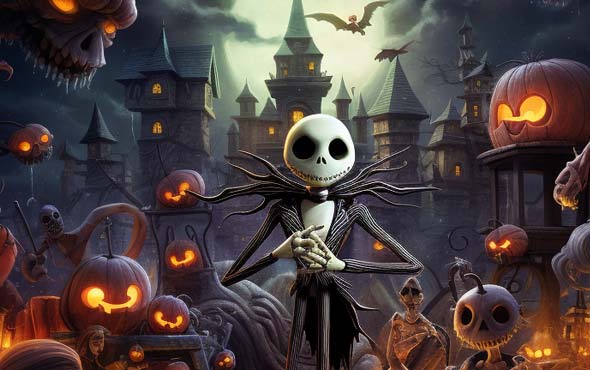
The song showcases the various creatures and monsters that inhabit Halloween Town, each with their own distinctive characteristics and contributions to the festivities. The lyrics highlight the eerie and fantastical elements associated with Halloween, expressing the town’s love for scares, thrills, and all things spooky.
The composition of “This Is Halloween” captures the film’s blend of macabre and playful elements, with its lively melody, energetic orchestration, and Elfman’s distinct vocal performance. The song has a catchy and infectious quality, engaging viewers right from the start.
Upon the film’s release, the song quickly became a fan favorite and remains one of the most beloved songs from the movie. Its popularity has extended beyond the film, with the song being covered by various artists and regularly included in Halloween playlists and celebrations.
The enduring appeal of “This Is Halloween” lies in its ability to encapsulate the spirit of the holiday, embracing the dark, whimsical, and magical aspects that make Halloween so beloved. It has become an iconic anthem associated with the film and has contributed to the lasting legacy of “The Nightmare Before Christmas” as a Halloween classic.
“Time Warp” from the movie “The Rocky Horror Picture Show”

“Time Warp” is a song from the 1975 cult film “The Rocky Horror Picture Show,” directed by Jim Sharman. The tune was written by Richard O’Brien and Richard Hartley for the stage musical “The Rocky Horror Show,” which premiered in 1973. The song was later included in the film adaptation of the musical.
The song serves as a lively and energetic dance number within the film. It is performed by the characters Riff Raff (played by Richard O’Brien), Magenta (played by Patricia Quinn), and Columbia (played by Little Nell) as they guide the protagonist, Brad (played by Barry Bostwick), and Janet (played by Susan Sarandon), through a strange and surreal evening at the Transylvanian castle.
“Time Warp” features catchy lyrics and a simple dance routine that encourages audience participation. The song’s lyrics describe a dance that transcends time and space, becoming a liberating and uninhibited experience.
The song’s popularity skyrocketed with the release of the film, as audience members began to attend midnight screenings in costume and actively participate in the song and dance routines. It became a defining element of the film’s interactive cult following.
The success of “Time Warp” can be attributed to its infectious melody, its catchy lyrics, and the lively choreography featured in the film. It has become one of the most recognizable and beloved songs from “The Rocky Horror Picture Show” and is often performed at live stage productions and shadow cast performances.
The song has transcended its initial appearance in the film and has become a cultural phenomenon in its own right. It continues to be embraced by fans, who gather to celebrate the film’s legacy through interactive screenings and performances, keeping the spirit of The Rocky Horror Picture Show alive for new generations.
“Somebody’s Watching Me” by Rockwell

“Somebody’s Watching Me” is a song by American singer Rockwell, released in 1984. Rockwell, whose real name is Kennedy William Gordy, is the son of Motown Records founder Berry Gordy. He released “Somebody’s Watching Me” as his debut single, and it became his most successful and well-known song.
The song was written and produced by Rockwell himself, with guest vocals by Michael Jackson, who sang the chorus. The lyrics depict a sense of paranoia and unease, as the narrator feels like he is constantly being watched and monitored.
The inspiration for the song came from Rockwell’s own experiences with the fame and scrutiny that came with being the son of a prominent figure in the music industry. He drew upon the themes of privacy invasion and surveillance culture, which were prevalent during the 1980s.
“Somebody’s Watching Me” gained widespread popularity due to its catchy chorus and memorable hook, as well as Michael Jackson’s involvement. Jackson’s recognizable vocals on the chorus added to the song’s appeal and contributed to its success.
The accompanying music video for “Somebody’s Watching Me” further enhanced the song’s impact. Directed by Francis Delia, the video visually represented the song’s themes, featuring Rockwell being spied on and pursued by various characters, including celebrities, monsters, and mysterious figures.
The song was a commercial success, reaching number two on the Billboard Hot 100 chart and achieving international acclaim. It propelled Rockwell into the spotlight, although he was not able to replicate the same level of success with subsequent releases.
The song remains a popular and recognizable song, often associated with the 1980s and the theme of surveillance. It has been featured in various media and continues to be enjoyed by audiences for its catchy melody and relatable themes of paranoia and surveillance.
“Highway to Hell” by AC/DC

“Highway to Hell” is a song by the Australian rock band AC/DC, released in 1979. The song was written by Angus Young, Malcolm Young, and Bon Scott, the lead vocalist of AC/DC at the time. It was the title track of their sixth studio album, also titled “Highway to Hell.”
The song’s lyrics portray a rebellious and rock ‘n’ roll lifestyle, symbolizing the band’s relentless pursuit of success and the challenges they faced on their journey. The phrase “Highway to Hell” is used metaphorically to describe the trials and tribulations of life on the road and the pursuit of one’s dreams.
The creation of “Highway to Hell” marked a turning point for AC/DC. The band had achieved moderate success leading up to the album’s release but aimed to break through on an international scale. They worked with producer Robert John “Mutt” Lange, who helped refine their sound and bring a more polished production to their music.
It became one of AC/DC’s signature songs and a fan favorite. Its infectious guitar riff, powerful vocals, and anthemic chorus made it a staple of the band’s live performances and a rock anthem of the late 1970s.
Tragically, “Highway to Hell” was Bon Scott’s last studio album with AC/DC before his untimely death in 1980. The song stands as a testament to his vocal prowess and the band’s enduring legacy.
Despite initial controversy surrounding the song’s title and lyrics, the classic has become one of AC/DC’s most iconic and successful songs. It continues to be celebrated as a classic rock anthem, representing the band’s energy, rebellious spirit, and contribution to the hard rock genre.
It remains a powerful and influential rock song, resonating with audiences around the world and solidifying the band’s status as rock legends.
“Superstition” by Stevie Wonder

“Superstition” is a hit song by Stevie Wonder, released in 1972. Wonder wrote and produced the tune which was included in his fifteenth studio album, “Talking Book.” The song marked a significant departure from his earlier Motown sound, incorporating funk, rock, and soul elements.
The origins of the song trace back to a riff created by Wonder on the clavinet, an electronic keyboard instrument. The infectious and instantly recognizable clavinet riff became the foundation of the song.
The lyrics of “Superstition” touch upon the theme of superstitions and their influence on people’s lives. Wonder explores the concept of superstitions as irrational beliefs that can hinder one’s progress, encouraging listeners to overcome fear and rely on their own judgment.
The song’s distinctive sound, with its driving rhythm, powerful vocals, and intricate instrumental arrangements, contributed to its success. Wonder’s vocal delivery and harmonica playing showcased his musical prowess and further enhanced the song’s appeal.
It achieved commercial success, reaching number one on the Billboard Hot 100 chart and becoming one of Stevie Wonder’s signature songs. It received critical acclaim for its innovative sound and lyrical depth.
The impact of it extended beyond its initial release, as the song continues to be celebrated as a timeless classic. It has been covered and sampled by various artists across different genres, further solidifying its place in popular culture.
“Superstition” showcases Wonder’s ability to blend various musical genres and create a unique and influential sound. The song’s combination of infectious rhythm, thought-provoking lyrics, and Stevie Wonder’s immense talent and artistry have contributed to its enduring legacy as a beloved and iconic track.
“Werewolves of London” by Warren Zevon

“Werewolves of London” is a song by American singer-songwriter Warren Zevon, released in 1978. Here’s the backstory. The song was co-written by Warren Zevon, LeRoy Marinell, and Waddy Wachtel. It was included in Zevon’s album “Excitable Boy,” which became his most commercially successful record.
The inspiration for Werewolves of London came from a conversation between Zevon and Phil Everly of the Everly Brothers, who mentioned the idea of writing a song about werewolves. Zevon embraced the concept and began working on the song.
The lyrics of Werewolves of London tell the story of a werewolf prowling the streets of London and engaging in peculiar activities. The song mixes elements of humor and the supernatural, with references to notable landmarks and characters, creating a vivid and playful narrative.
Musically, the tune features a memorable piano riff played by Zevon, which became a signature element of the song. It has a catchy and upbeat rock sound, blending elements of rock and roll, folk, and R&B. Upon its release, it became one of Warren Zevon’s most successful and recognizable songs. It reached the top 40 of the Billboard Hot 100 chart and received significant radio airplay. The song’s commercial success contributed to the popularity of the “Excitable Boy” album as a whole.
Over the years, “Werewolves of London” has maintained its popularity and is often played during Halloween-themed events and on classic rock radio stations. It has been covered by various artists and featured in numerous films, television shows, and commercials, solidifying its status as a Halloween and rock classic.
The unique blend of humor, catchy melodies, and supernatural themes in this classic captures the distinctive songwriting style of Warren Zevon and has made the song an enduring and beloved part of his musical legacy.
These songs span various genres and capture the spooky and playful spirit of Halloween, making them popular choices for Halloween parties, playlists, and events.

