
Eerie Magazine: A Chronicle of Darkness and Dread (1965 – 1983)
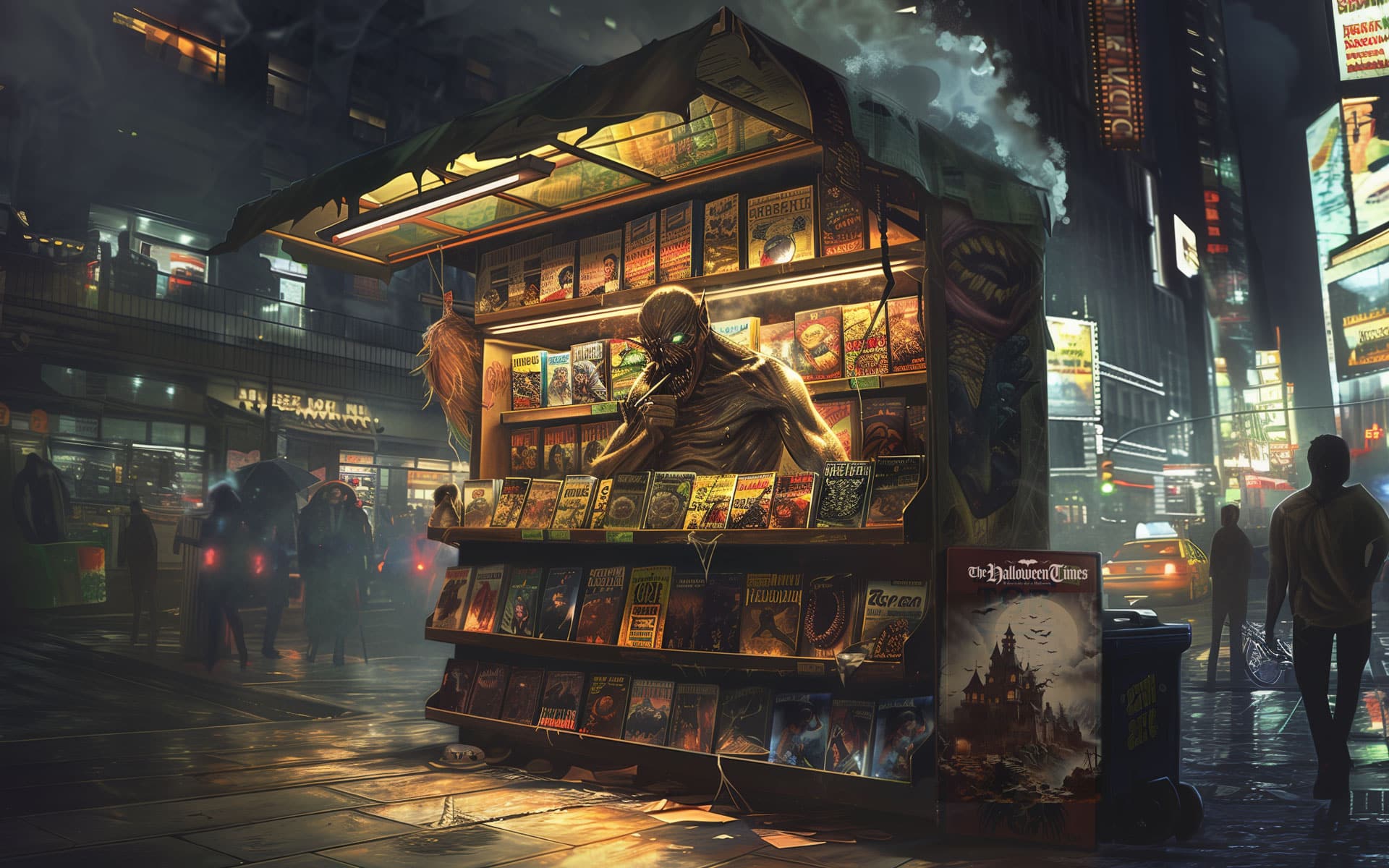
 The early 1960s saw a surge of creativity in horror and monster art, with artists taking inspiration from classic Universal Monsters while injecting a new, Cold War-tinged anxiety into their work. This era produced iconic imagery that continues to inspire fans and artists today. In the annals of horror literature, few publications hold the same mystique and allure as Eerie Magazine. Born from the shadows of the early 1960s, Eerie emerged as a beacon of terror in a landscape fraught with societal upheaval and artistic experimentation. This is a brief summary story of Eerie — a testament to the enduring power of fear and imagination.
Origins in the Shadows
Eerie Magazine made its spine-chilling debut in 1965, published by Jim Warren under Warren Publishing, the same visionary behind Creepy Magazine (see below). Warren, a maverick entrepreneur with a passion for horror and suspense, sought to expand his publishing empire with a new title that would push the boundaries of genre storytelling. Drawing inspiration from the success of Creepy and the burgeoning interest in horror comics, Warren assembled a team of talented writers and artists to bring his vision to life.
Visionaries of the Macabre
At the forefront of Eerie Magazine were visionary creators whose names became synonymous with horror literature. Among them was Archie Goodwin, the esteemed editor who helmed the magazine for its early years, shaping its editorial direction and fostering a culture of creativity and innovation. Goodwin’s keen eye for talent and his unwavering commitment to quality storytelling ensured that Eerie would become a hallmark of horror literature for years to come.
Artists of the Abyss
Central to the identity of Eerie Magazine were its stunning illustrations, brought to life by a cadre of gifted artists whose work elevated the magazine to new heights of visual storytelling. From the chilling atmospheres crafted by Frank Frazetta to the grotesque horrors rendered by Steve Ditko, each issue of Eerie was a masterpiece of macabre artistry, transporting readers to worlds where the line between reality and nightmare blurred into obscurity.
Entrepreneurs of Fear
Behind the scenes of Eerie Magazine were fearless entrepreneurs who dared to venture into the realm of the unknown. Jim Warren, with his bold vision and unrelenting passion for horror, served as the driving force behind the magazine’s success, while his business acumen ensured its longevity in an ever-changing industry. Warren’s innovative approach to publishing, coupled with his willingness to take risks and push boundaries, set Eerie apart from its contemporaries, cementing its status as a cultural icon.
Legacy of Terror
Though Eerie Magazine ceased publication in 1983, its legacy endures to this day, revered by fans and collectors as a testament to the enduring power of horror literature. In the decades since its demise, Eerie has been resurrected in various forms, including reprints, collected editions, and even a revival series in 2012. Its influence can be felt in every corner of the horror genre, from comics and literature to film and television, serving as a reminder of the timeless appeal of fear and imagination.
In the pantheon of horror history, Eerie Magazine stands as a testament to the enduring power of fear and imagination. With its groundbreaking storytelling, iconic artwork, and unrelenting commitment to the macabre, Eerie transcended its time to become a timeless classic – a testament to the enduring power of horror to captivate and terrify audiences for generations to come.
The Enduring Legacy of Creepy Magazine (1964-1979)
 The post-war era in America witnessed a resurgence of interest in horror comics. Emerging from the ashes of the Comics Code Authority (CCA) censorship restrictions of the 1950s, magazines like “Creepy” tapped into a new generation’s appetite for the macabre. Creepy, launched in 1964 by Bill Gaines of EC Comics fame, carved a unique niche, offering a blend of chilling tales, innovative art styles, and a sly sense of humor that resonated with a growing counterculture audience.
Gaines, known for his groundbreaking horror comics like “Tales from the Crypt” and “The Vault of Horror,” had a knack for pushing boundaries while staying within the confines of the CCA code. With Creepy, he aimed to create a magazine that was both genuinely scary and visually stunning. He assembled a team of talented artists like the legendary Bernie Wrightson, whose detailed and expressive style brought the stories to life with a chilling realism. Writers like Archie Goodwin and Frank Frazetta crafted narratives that explored a variety of horror themes, from classic monsters like vampires and werewolves to existential dread and psychological horror.
Unlike its more overtly graphic EC Comics predecessors, Creepy adopted a suggestive style. The stories often relied on implied violence and horror, leaving much to the reader’s imagination. This approach, combined with the artistic brilliance of the creators, created a truly unsettling atmosphere. The covers, featuring hauntingly beautiful women in perilous situations, became iconic, instantly recognizable and a key element of the magazine’s visual identity.
Creepy arrived at a perfect moment. The 1960s witnessed a cultural and social revolution. Young people were questioning societal norms, embracing counterculture ideals, and exploring new forms of artistic expression. Creepy, with its dark humor and exploration of anxieties around Cold War paranoia, societal alienation, and the growing youth movement, resonated with this changing audience.
The magazine quickly gained a loyal following. Readers appreciated its sophisticated storytelling, its ability to be both terrifying and humorous, and its willingness to challenge traditional notions of morality. Creepy wasn’t afraid to tackle social issues, incorporating elements of satire and dark comedy into its narratives. This approach not only attracted a wider readership but also gave the magazine an edge over its more conventional horror comic competitors.
However, Creepy faced its own challenges. Despite the shift in censorship regulations brought about by the CCA’s loosening grip, there were still concerns about the impact of horror comics on young minds. Parents and educators worried that the graphic imagery and macabre themes could be detrimental to children’s development. The magazine also faced competition from other horror comics like “Vampirella” and “Warren Publications” titles, which offered a more explicit and exploitative approach to the genre.
By the late 1970s, the cultural landscape had shifted again. The counterculture movement had waned, and public tastes began to favor more realistic and grounded forms of horror. Movies like “Jaws” and “The Exorcist” redefined the genre, focusing on visceral scares and special effects. Creepy, with its focus on suggestive horror and classic themes, began to feel dated. Sales started to decline, and Gaines, facing financial difficulties, made the difficult decision to end the magazine’s run in 1979.
Despite its relatively short run, Creepy’s legacy remains significant. It stands as a testament to the enduring power of well-crafted horror stories that rely on atmosphere, suspense, and powerful visuals. The magazine’s influence can be seen in numerous horror comics and graphic novels that followed, including the revival of Creepy itself in the 1990s and the works of contemporary horror artists like Mike Mignola (Hellboy).
Creepy not only entertained readers but also challenged societal norms and explored anxieties of its time. The magazine’s willingness to push boundaries within the limitations of censorship paved the way for a more open and diverse comic book landscape. It remains a fascinating chapter in horror comic history, a reminder that sometimes, the most chilling tales are those that leave much to the darkness within our own minds.
In conclusion, Creepy’s rise and fall offer valuable insights into the evolution of horror comics and the changing cultural landscape of America. It serves as a testament to the power of storytelling, the enduring appeal of the macabre, and the ever-evolving nature of how horror resonates with audiences across generations.
Tales of the Zombie: Unearthing the Controversial Legacy
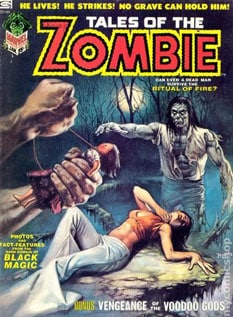 In the tumultuous landscape of 1970s Britain, amidst social upheaval and cultural revolution, a new publication emerged to challenge the norms of horror literature — Tales of the Zombie magazine. This is the story of Tales of the Zombie – a publication shrouded in controversy and intrigue, yet ultimately celebrated for its bold exploration of the macabre and the grotesque.
Origins of Darkness
Tales of the Zombie burst onto the scene in 1973, published by Top Sellers Limited, a company known for its daring and provocative approach to genre storytelling. Inspired by the success of American horror comics like “Creepy” and “Eerie,” Tales of the Zombie sought to carve out its own niche in the world of horror literature, offering readers a unique blend of terror, suspense, and social commentary. Edited by the enigmatic figure known only as “The Ghoul,” Tales of the Zombie quickly gained a reputation for pushing the boundaries of acceptable taste and morality, confronting readers with themes of violence, sexuality, and the supernatural.
Controversial Content
From its inception, Tales of the Zombie courted controversy with its bold and unapologetic portrayal of taboo subjects. Featuring graphic violence, explicit nudity, and themes of cannibalism and necrophilia, Tales of the Zombie pushed the limits of what was considered acceptable in mainstream publishing, challenging readers to confront their deepest fears and darkest desires. Critics decried the magazine as obscene and morally reprehensible, while supporters hailed it as a bold and groundbreaking work of art.
Masterpieces of Horror
Despite – or perhaps because of – its controversial content, Tales of the Zombie produced some of the most memorable and iconic stories in the history of horror literature. From the chilling tales of voodoo magic and supernatural terror to the visceral depictions of urban decay and social unrest, Tales of the Zombie explored the darker corners of the human experience with unflinching honesty and brutal intensity. Writers like Ken Barr and Alan Hebden brought their twisted visions to life with stunning prose and unforgettable characters, while artists like Dave Gibbons and Brian Bolland created stunning visuals that leapt off the page with visceral intensity.
Legal Battles and Censorship
Throughout its brief but tumultuous run, Tales of the Zombie faced constant legal challenges and censorship from authorities determined to suppress its controversial content. In 1975, the magazine found itself embroiled in a high-profile court case over its graphic depictions of violence and sexuality, resulting in the seizure and destruction of several issues by law enforcement. Despite these setbacks, Tales of the Zombie continued to push the boundaries of acceptable taste and morality, inspiring a generation of horror enthusiasts to embrace the forbidden and the taboo.
Legacy of Darkness
Though Tales of the Zombie ceased publication in 1976, its legacy endures to this day, revered by fans and collectors as a testament to the enduring power of horror literature to shock, provoke, and inspire. In the decades since its demise, Tales of the Zombie has been resurrected in various forms, including reprints, collected editions, and digital archives, ensuring that its twisted tales of terror will continue to chill and thrill audiences for generations to come.
In the annals of horror history, few publications hold the same mystique and allure as Tales of the Zombie magazine. With its controversial content, bold storytelling, and unapologetic commitment to pushing the boundaries of acceptability, Tales of the Zombie remains a timeless classic — a testament to the enduring power of horror literature to confront the darkness that lurks within us all.
Famous Monsters of Filmland: Unveiling the Icons of Horror Cinema
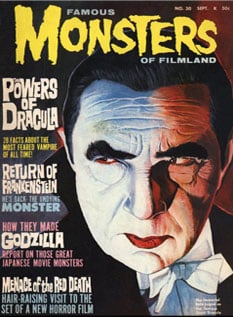 In the pantheon of horror literature, one publication stands out as a beacon of creativity and imagination – Famous Monsters of Filmland magazine. Born from the mind of legendary publisher James Warren in 1958, Famous Monsters quickly became a cultural phenomenon, captivating audiences with its blend of horror cinema coverage, insightful articles, and stunning artwork. This is the story of Famous Monsters of Filmland – a chronicle of terror that transcended its time to become a timeless icon of horror culture.
Genesis of Fear
Famous Monsters of Filmland emerged during the height of the monster movie craze of the 1950s, a period characterized by a resurgence of interest in horror cinema. James Warren, a visionary publisher with a passion for horror and science fiction, recognized the untapped potential of this burgeoning market and sought to capitalize on it with a new publication dedicated to the genre. Drawing inspiration from the success of horror-themed television shows like “Shock Theater,” Warren envisioned Famous Monsters as a celebration of all things macabre – from classic Universal Monsters to the latest creature features.
A Monster-Making Machine
With its inaugural issue hitting newsstands in February 1958, Famous Monsters of Filmland quickly established itself as a must-read for horror enthusiasts of all ages. Edited by the incomparable Forrest J. Ackerman, a larger-than-life figure with an encyclopedic knowledge of horror cinema, Famous Monsters offered readers a tantalizing glimpse behind the scenes of their favorite films, featuring exclusive interviews with directors, actors, and special effects artists. Ackerman’s irreverent humor and infectious enthusiasm for the genre endeared him to fans around the world, earning him the affectionate nickname “Uncle Forry” and making him the face of Famous Monsters for decades to come.
Icons of the Imagination
Central to the success of Famous Monsters were the talented artists whose stunning illustrations graced its pages. From the grotesque monsters of Basil Gogos to the eerie landscapes of Frank Frazetta, each issue of Famous Monsters was a visual feast for lovers of the macabre, transporting readers to worlds where the line between reality and fantasy blurred into obscurity. These artists captured the essence of horror cinema with their vivid imaginations and unparalleled skill, creating iconic images that would become synonymous with the magazine itself.
Cultural Impact and Legacy
During its initial run from 1958 to 1983, Famous Monsters of Filmland left an indelible mark on the landscape of horror culture, inspiring a generation of filmmakers, writers, and artists to explore the darker corners of the human psyche. Its influence can be felt in every corner of the horror genre, from film and literature to music and fashion, serving as a touchstone for fans and creators alike. Though it ceased publication in 1983, its legacy endures to this day, revered by fans and collectors as a testament to the enduring power of horror cinema.
Resurrecting a Legend
In 2010, Famous Monsters of Filmland was resurrected by editor-in-chief Ray Ferry and publisher Philip Kim, bringing the iconic magazine back to life for a new generation of horror enthusiasts. With its blend of classic horror coverage and modern insights, the revival of Famous Monsters continues to celebrate the legacy of its predecessors while charting a bold new course for the future of horror culture.
In the annals of horror history, few publications hold the same mystique and allure as Famous Monsters of Filmland. With its groundbreaking coverage, iconic artwork, and unrelenting commitment to the genre, Famous Monsters remains a timeless classic — a testament to the enduring power of horror cinema to captivate and inspire audiences for generations to come.
Terror Tales Magazine: Unveiling the Horrors of the 1930s
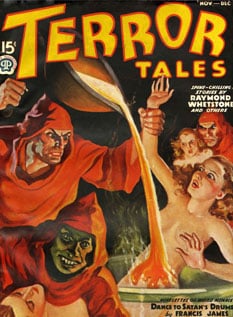 In the tumultuous years of the 1930s, amidst economic turmoil and social upheaval, a new form of entertainment emerged to captivate the masses – pulp magazines. Among the myriad genres that proliferated during this era, none held as much allure and fascination as the realm of horror and suspense. It is within this landscape that Terror Tales magazine made its spine-chilling debut, leaving an indelible mark on the history of horror literature.
Origins of Terror
Terror Tales magazine emerged from the creative minds at Popular Publications, a leading publisher of pulp magazines during the Golden Age of Pulp Fiction. Founded in 1932 by Harry Steeger, Popular Publications sought to capitalize on the growing demand for cheap, sensational entertainment, catering to the tastes of a diverse and increasingly urbanized audience. With the success of titles like “Dime Detective” and “Black Mask,” Popular Publications set its sights on the burgeoning horror market, launching Terror Tales in 1934.
The Birth of a Legend
Terror Tales burst onto the scene with its inaugural issue in September 1934, offering readers a potent mix of supernatural thrills, grisly murders, and spine-tingling suspense. Edited by Rogers Terrill, a seasoned veteran of the pulp industry, Terror Tales distinguished itself from its contemporaries with its unrelenting focus on terror and horror, pushing the boundaries of acceptable taste and morality in pursuit of thrilling entertainment.
Masters of Macabre
Central to the success of Terror Tales were its talented stable of writers, whose vivid imaginations and flair for the dramatic brought the magazine’s nightmarish visions to life. Among the notable contributors to Terror Tales were luminaries of the pulp fiction world such as Arthur J. Burks, Wyatt Blassingame, and Hugh B. Cave. These writers crafted tales of terror and suspense that resonated with readers, transporting them to worlds where the line between reality and nightmare blurred into obscurity.
Artistry in Darkness
No discussion of Terror Tales would be complete without acknowledging the magazine’s stunning cover art, which served as a gateway to the horrors lurking within its pages. Illustrated by some of the most talented artists of the era, including legends like John Newton Howitt and Harry Fisk, Terror Tales’ covers were a masterclass in atmospheric storytelling, evoking a sense of dread and foreboding that set the stage for the tales that followed.
Cultural Impact and Legacy
During its brief four-year run, Terror Tales magazine left an indelible mark on the landscape of horror literature, inspiring a generation of writers and artists to explore the darker corners of the human psyche. Though it ceased publication in 1938, its legacy endures to this day, revered by fans and collectors alike as a testament to the enduring power of horror fiction. In the decades since its demise, Terror Tales has been resurrected in various forms, including reprints, collected editions, and digital archives, ensuring that its tales of terror will continue to chill and thrill audiences for generations to come.
In the annals of horror history, few publications hold the same mystique and allure as Terror Tales magazine. With its groundbreaking storytelling, iconic artwork, and unrelenting commitment to terror, Terror Tales remains a timeless classic — a testament to the enduring power of fear and imagination in the human experience.

